


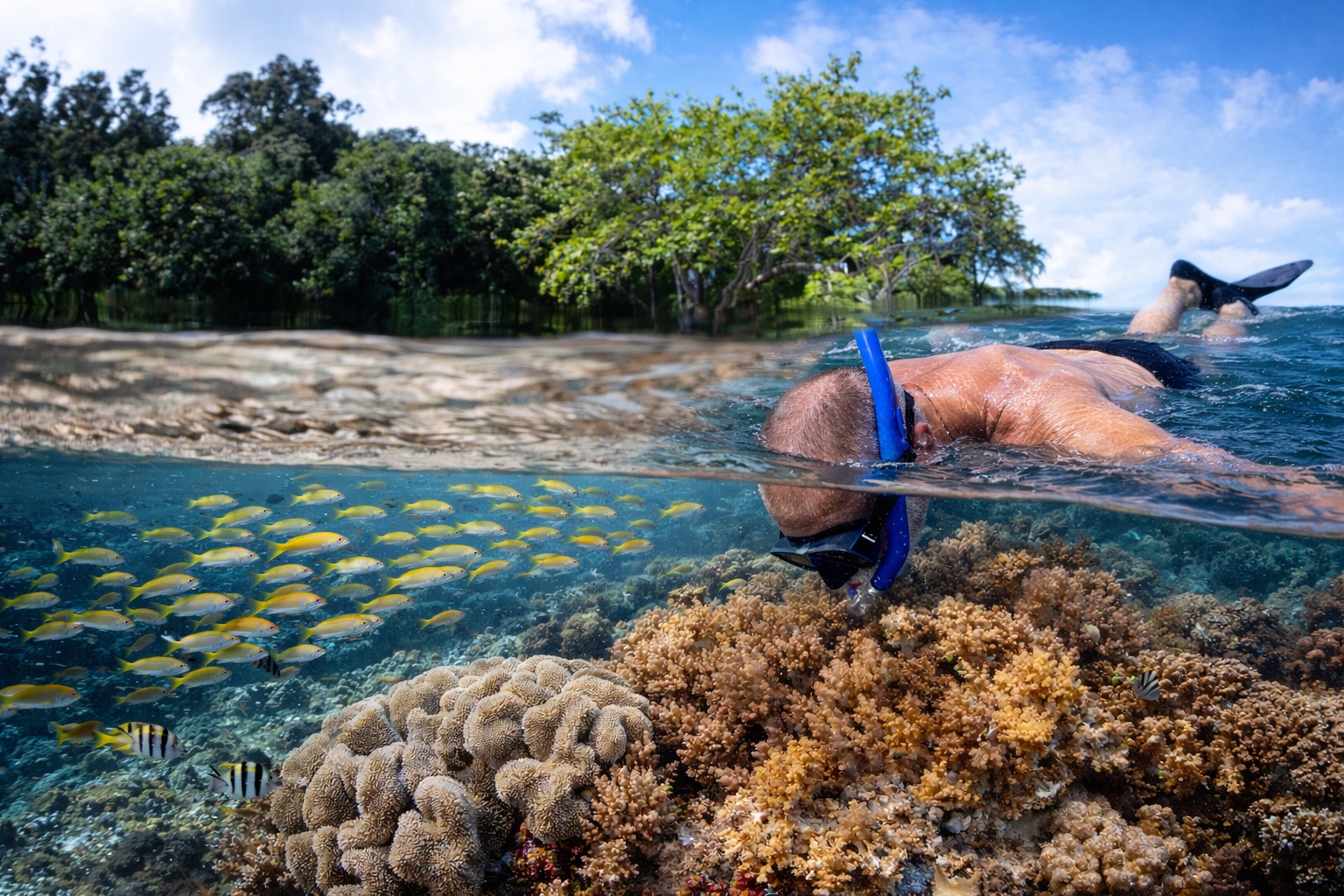
If you are searching for the best snorkeling destination in the world, one name consistently rises above all others: Raja Ampat.
Located in Indonesia’s Coral Triangle, Raja Ampat offers the highest marine biodiversity on Earth, pristine coral ecosystems, extraordinary fish density, and exceptional water clarity — often starting just one meter below the surface.
This guide explains:
- Why Raja Ampat is unmatched for snorkeling
- The best snorkeling areas across the region
- When to snorkel Raja Ampat
- Why a liveaboard is the most effective way to explore it
Why Raja Ampat Is the Global Benchmark for Snorkeling
Raja Ampat is not simply “one of the best” snorkeling destinations. It is the global reference.
Scientific surveys have recorded:
- Over 600 species of hard coral (approximately 75% of the world’s total)
- More than 1,500 species of reef fish
- The highest marine biodiversity ever documented
What This Means for Snorkelers
For snorkelers, this translates into:
- Coral gardens beginning in 1–3 meters of water
- Constant schooling fish activity
- Regular encounters with turtles, reef sharks, manta rays, and occasionally dolphins
- Reefs that remain exceptionally healthy and resilient
Unlike many tropical destinations, Raja Ampat’s reefs are not recovering — they are thriving.
The Three Main Snorkeling Regions of Raja Ampat
Raja Ampat is a vast archipelago, not a single reef system. Its snorkeling is divided into three primary regions:
- North Raja Ampat (Wayag & Kawe)
- Central Raja Ampat (Dampier Strait)
- South Raja Ampat (Misool)
Each offers a distinct experience.
North Raja Ampat – Wayag & Kawe
Remote Reefs and Untouched Lagoons
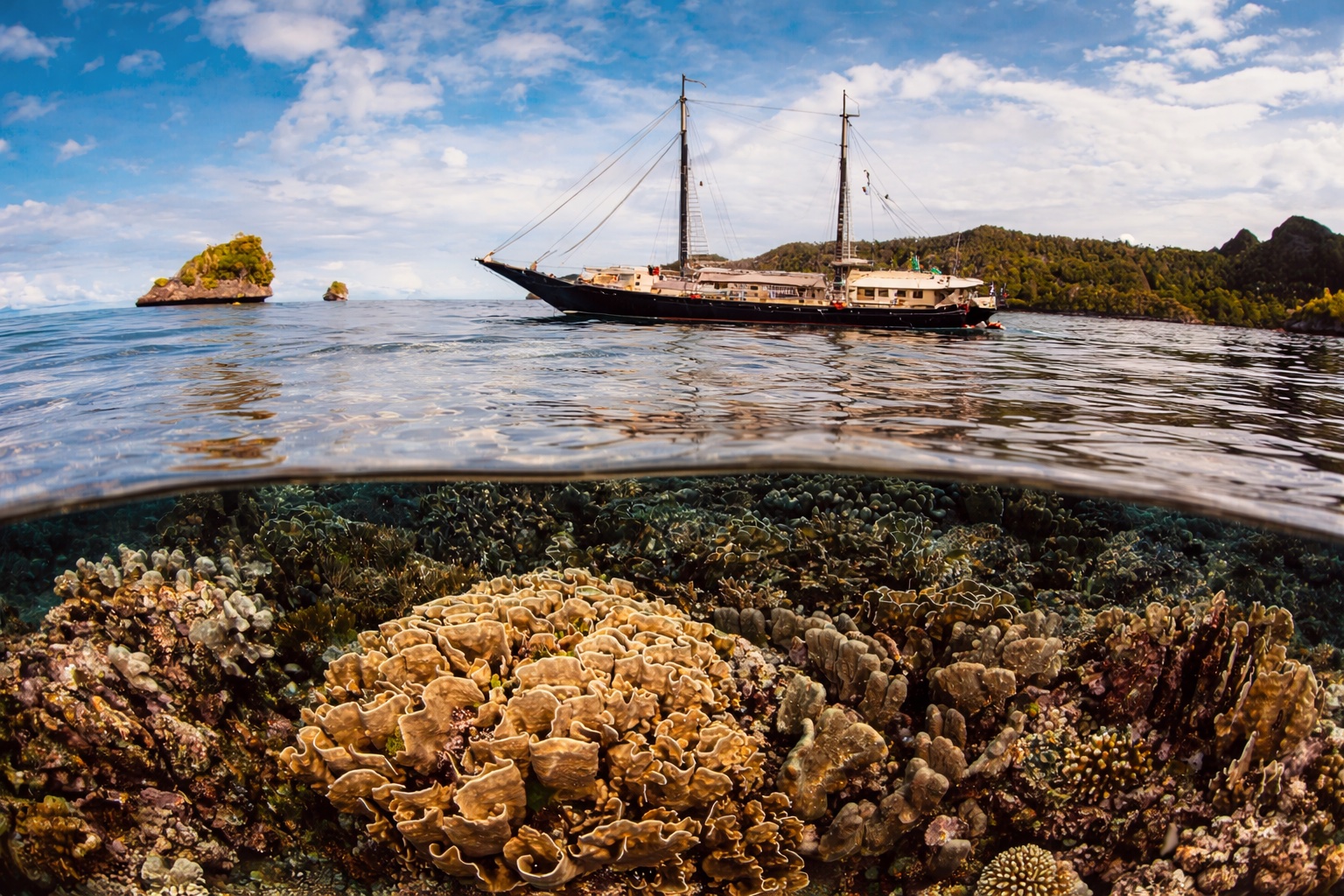
North Raja Ampat is defined by dramatic limestone karsts, translucent lagoons, and extremely low human impact.
Best Snorkeling Spots in North Raja Ampat
Wayag Lagoon
Shallow coral gardens with extraordinary visibility. Ideal for relaxed snorkeling among giant clams and dense reef fish.
Kawe Island Reefs
Frequent encounters with blacktip reef sharks, bumphead parrotfish, and large trevallies cruising the reef edge.
Eagle Rock (Shallow Sections)
Though known as a dive site, its upper reef provides thrilling snorkeling with strong fish presence.
Why Snorkel North Raja Ampat?
- Minimal boat traffic
- Pristine coral structures
- High probability of large marine life
Central Raja Ampat – The Dampier Strait
The Highest Fish Biomass on Earth
The Dampier Strait is the epicenter of marine life in Raja Ampat. Nutrient-rich currents create staggering fish density.
Best Snorkeling Sites in the Dampier Strait
Cape Kri (Shallow Reef)
World-record fish biodiversity. Expect fusiliers, jacks, barracudas, turtles, and reef sharks.
Sawandarek Reef
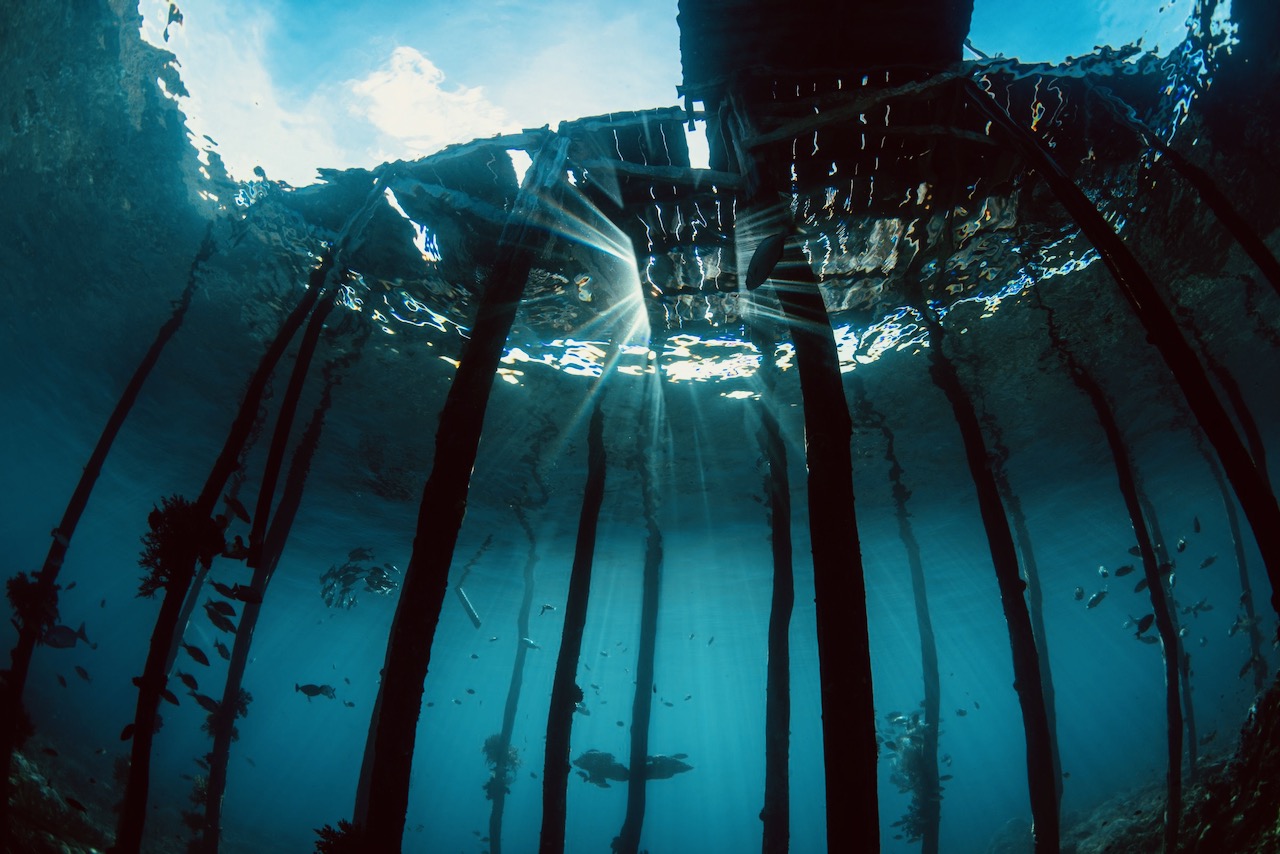
Located along the village jetty on Mansuar Island, Sawandarek offers some of the most accessible and vibrant snorkeling in Raja Ampat. The shallow reef slope begins immediately from the jetty, with dense coral formations in just 1–5 meters of water. Expect large schools of sweetlips, batfish, fusiliers, and occasional green turtles feeding along the reef crest. Its calm conditions and easy entry make it ideal for long, relaxed snorkeling sessions while still delivering extraordinary biodiversity.
Mangrove Ridge (Gam Island)
A rare snorkeling ecosystem where mangrove roots intertwine with living coral reefs. Crystal-clear water allows snorkelers to observe juvenile reef fish sheltering among the roots while coral bommies thrive just meters away. A fascinating transition zone between forest and reef.
Arborek Jetty
One of the best shore snorkeling sites in Indonesia. Exceptional coral growth beneath the jetty and frequent wobbegong sightings.
Manta Sandy (Snorkeling Zone)
A shallow manta cleaning station where reef mantas glide beneath the surface.
Why Snorkel the Dampier Strait?
- Constant fish movement
- Easy access to iconic sites
- Reliable manta ray encounters
South Raja Ampat – Misool
The Most Beautiful Coral Gardens on the Planet
Misool is often described as the most visually stunning reef system in the world.
Best Snorkeling Spots in Misool
Boo Windows (Snorkeling Side)
Iconic rock formations combined with shallow coral gardens.
Fiabacet Coral Gardens
Arguably the finest shallow coral snorkeling on Earth. Massive hard corals and vibrant soft corals in 1–5 meters depth.
Yillet Kecil Lagoon
Protected waters with mirror-calm conditions and extremely dense coral growth.
Why Snorkel Misool?
- Unmatched coral color and density
- Long, relaxed snorkeling sessions
- Protected marine reserve with exceptional reef recovery
Best Time to Snorkel in Raja Ampat
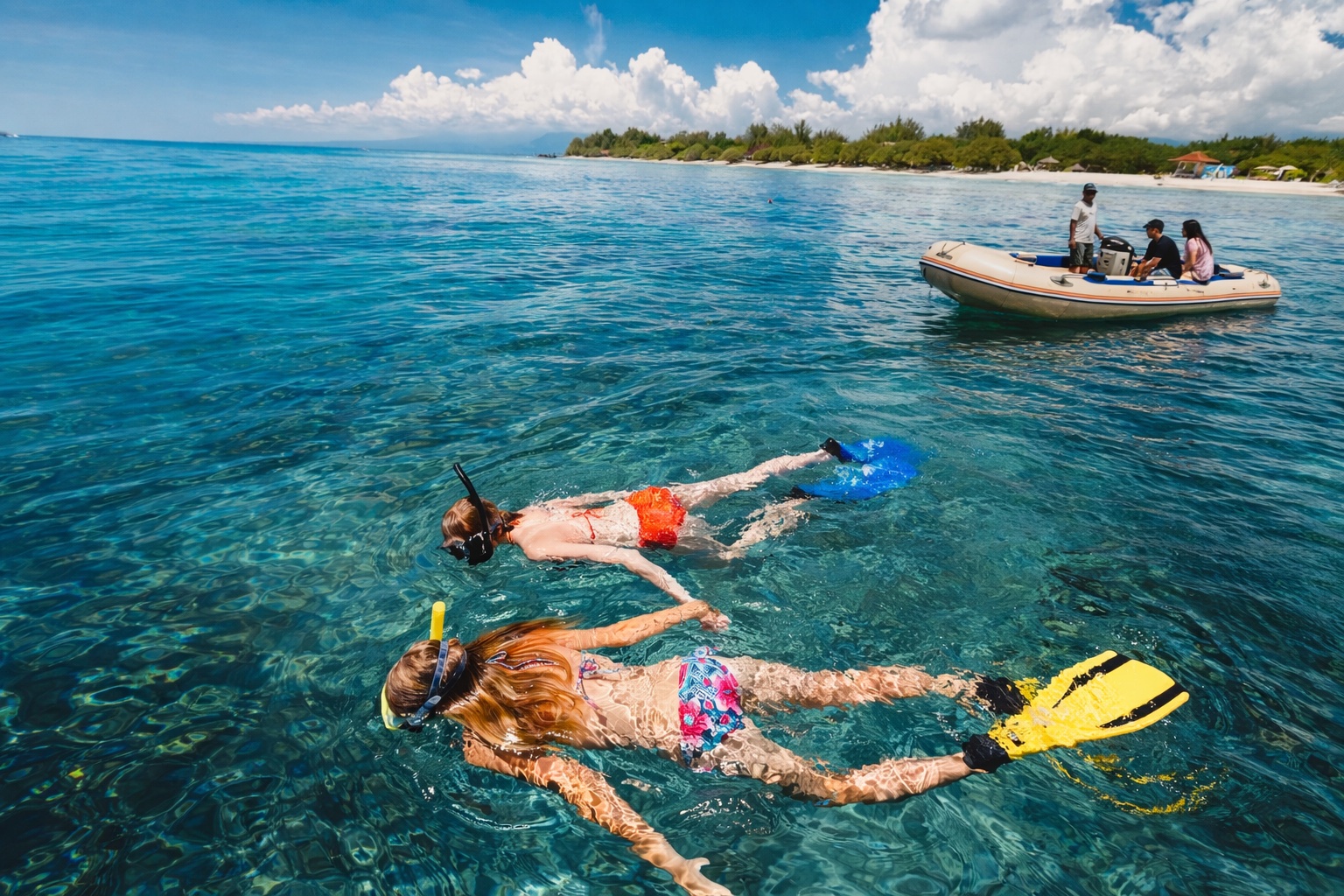
Raja Ampat offers year-round snorkeling, but seasonal nuances matter.
October – April
- Generally calmer seas in central and northern areas
- Excellent visibility
- Strong manta activity in certain zones
Water temperatures range between 28–31°C year-round, and many reefs begin directly at the surface.
Why a Liveaboard Is the Best Way to Snorkel Raja Ampat
The finest snorkeling sites are spread across hundreds of islands.
A liveaboard allows you to:
- Access remote reefs unreachable by day boats
- Snorkel across North, Central, and South Raja Ampat in one journey
- Avoid resort-based limitations
- Enter sites at optimal tidal windows
- Experience early morning and sunset sessions
To truly experience the breadth of Raja Ampat snorkeling, mobility is essential.
FAQ – Snorkeling in Raja Ampat
Is Raja Ampat the best snorkeling destination in the world?
Yes. It holds the highest recorded marine biodiversity on Earth and offers consistent shallow reef access.
Do you need strong swimming skills?
Basic swimming ability is sufficient in protected lagoons. Currents are managed by experienced guides.
Can you see manta rays while snorkeling?
Yes. Several manta cleaning stations allow snorkelers to observe mantas in shallow water.
How many days are ideal for snorkeling Raja Ampat?
At least 8–10 days to experience multiple regions. Shorter stays limit geographic reach.
Final Verdict
No other destination combines:
- Such biodiversity
- Such coral health
- Such regional diversity
- Such consistent shallow access
If snorkeling is your passion, Raja Ampat is not simply an option — it is the global benchmark.